


Blowers
Cleaning asphalt from all dirt, debris and vegetation is key to a successful outcome of any asphalt project! We have all kinds of asphalt cleaner tools, including sidewalk cleaning equipment, pavement cleaning machines, gas-powered blowers, rotary brooms, sidewalk edgers and more.
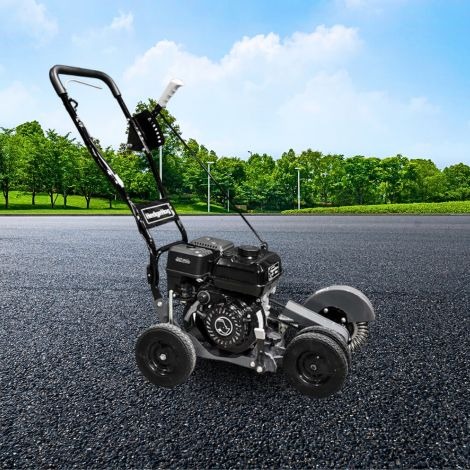
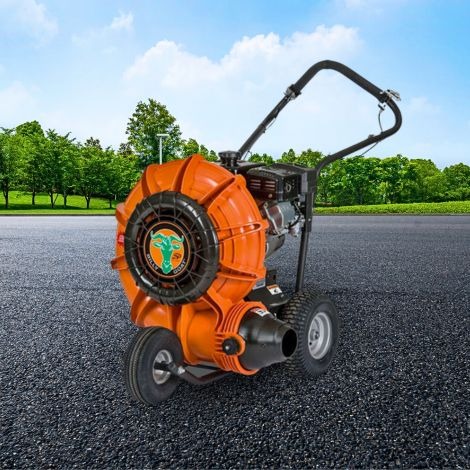
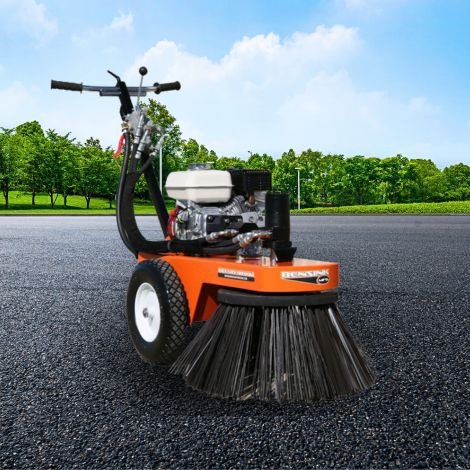
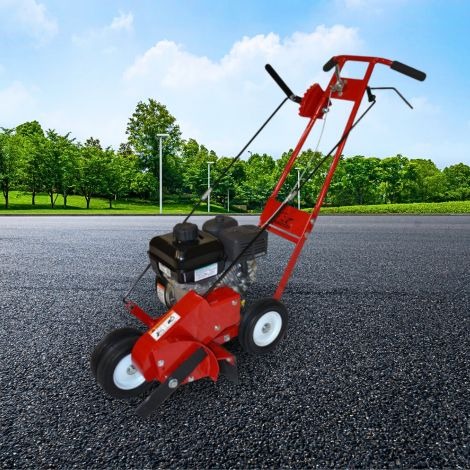
Gas Blowers for Serious Asphalt Prep
In asphalt maintenance, surface prep is not optional. It is the foundation of the job. If you are sealcoating, crack sealing, line striping, or patching, the surface has to be clean before anything goes down. That is where gas blowers come in.
Gas blowers help you remove dust, loose debris, grass clippings, sand, and other contaminants that can interfere with adhesion and finish quality. On the jobsite, they are one of the simplest tools you can own, but they play a major role in helping your materials bond properly and your finished work look professional.
At Asphalt Kingdom, we believe the contractors who win long term are the ones who respect the process. A clean surface leads to better results. Better results lead to fewer callbacks, stronger customer trust, and more repeat business. That is why gas blowers continue to be a must-have tool for asphalt maintenance crews.
What Gas Blowers Are Used for in Asphalt Maintenance
Gas blowers serve one main purpose, clearing the surface fast and thoroughly so you can move into the next stage of the job. They are used across nearly every service in the asphalt maintenance industry because loose debris creates problems. Dust can affect striping lines. Dirt can interfere with sealer adhesion. Leftover debris inside a crack can prevent hot rubber from bonding the way it should.
Contractors use gas blowers before:
- Applying sealcoat to driveways and parking lots
- Cleaning out cracks before crack sealing
- Preparing surfaces for line striping
- Removing loose debris before patching potholes or failed asphalt areas
- Cleaning the work area to improve overall job presentation
When your crew shows up with the right prep equipment and uses it consistently, the work gets done cleaner and faster. That matters, especially when you are trying to stay efficient, protect margins, and build a reputation for quality.
Why Gas Blowers Matter on the Job
Too many contractors underestimate prep. They focus on the application equipment, the material, or the finish coat, but skip over the step that makes all of it work better. Gas blowers are critical because they help create the clean surface your materials need.
In crack sealing, a blower helps remove dust and loose material from the crack path after mechanical cleaning. In sealcoating, it clears the pavement so the sealer can bond more evenly. In line striping, it helps eliminate fine dirt and debris that can disrupt paint transfer and leave the finished lines looking sloppy.
This is not just about appearance. It is about performance. If you want your asphalt work to hold up, the surface has to be prepped correctly. Gas blowers give you the airflow and mobility to do that without slowing your crew down.
What to Look for When Shopping for Gas Blowers
Not all blowers are built for the same workload. If you are shopping for gas blowers for asphalt maintenance, you need to think beyond basic cleanup. You need a machine that can handle jobsite conditions, work efficiently, and keep up with the pace of your crew.
One of the first things to look at is horsepower. Horsepower gives you an idea of how much power the engine can produce. In simple terms, more horsepower usually means the blower can generate stronger airflow and handle tougher debris more effectively. That matters when you are clearing heavy dust, loose aggregate, damp debris, or larger surface areas.
A blower with more horsepower is generally better suited for commercial work, larger parking lots, and crews that need to maintain production throughout the day. Lower horsepower models may still work well for lighter-duty residential jobs or shorter service routes, but if you are trying to build efficiency at scale, engine power matters.
You should also pay attention to airflow performance. Look at how much air the blower moves and how effectively it pushes debris off the pavement. Strong airflow helps you clean faster and reduces the need to make multiple passes over the same area.
Weight and comfort matter too. If your crew is carrying the blower for long periods, you want something that balances power with usability. A machine that is too heavy or uncomfortable can wear operators out and slow production over the course of the day.
Fuel efficiency, durability, and ease of maintenance are also worth considering. Asphalt maintenance is demanding work. Your tools need to be reliable, easy to start, and capable of handling repeated use in real-world field conditions.
Choosing the Right Blower for Your Business
The right gas blower depends on the type of work you do most. If you are focused on residential driveways, smaller repair jobs, or light prep work, a compact unit may be enough. If you are servicing commercial lots, running multiple crews, or handling full-surface prep on a regular basis, it makes sense to invest in a more powerful machine.
Think about your average job size, the type of debris you deal with, and how often the blower will be used during the week. The goal is not just to buy a blower. The goal is to buy a tool that helps your crew move faster, prep better, and protect the quality of the finished job.
A good blower supports productivity. A great blower becomes part of your system.
Gas Blowers Help You Prep Like a Pro
In this industry, details matter. Customers may notice the finished stripe or the fresh sealcoat first, but the durability of that work starts long before the material is applied. It starts with prep.
Gas blowers are one of the most important tools you can have for keeping surfaces clean, improving material adhesion, and helping your crew work efficiently. Whether you are crack sealing, striping, or sealcoating, the right blower helps you do the job the right way from the start.
Browse our selection of gas blowers and choose the model that fits your crew, your workload, and your standard of quality. When prep is handled correctly, everything that follows gets better.